Case
Albertslund Forsyning
Optimizing the District Heating Network Through Real-time Data and Flexible Integration
Goal
Optimizing the District Heating Network Through Real-time Data and Flexible Integration

Albertslund Forsyning is 100% owned by the Municipality of Albertslund and has been a central energy supplier since 1964. They supply virtually all of Albertslund’s 29,000 residents, as well as commercial buildings, equivalent to just over 200 GWh, through a 400 km long pipe network. This corresponds to heat consumption for 15,000 standard homes. With an ambition for full CO2 neutrality and an ongoing transition to low-temperature district heating (planned for completion in 2026), the utility relies on high operational reliability and precise data management.
The Challenge: Stable Data Collection and Vendor Independence
There was a need for a solution that could deliver real-time data from surplus heat producers and differential pressure gauges. Regarding the differential pressure measurements, they had to be delivered with a stability and precision high enough for the utility to control their pumps directly based on them.
A central focus of the project was also to ensure full future freedom to choose meters and sensors from the technical suppliers of choice, rather than being forced into a technical dependency on one specific manufacturer. To achieve this flexibility, it was crucial that the data platform itself was separate from the individual sensor vendors, so that Albertslund Forsyning can always choose the most optimal sensors in the future without limitations.
By using Beacon Tower to collect and forward real-time data from our sensors directly into our SCADA system, we have gained a precise tool for temperature and pressure control. This has given us the opportunity to optimize operations on a data-driven basis, benefiting both the environment and our operating economy.
The Solution with Beacon Tower
Beacon Tower has served as the central data platform that ties the various technologies together:
-
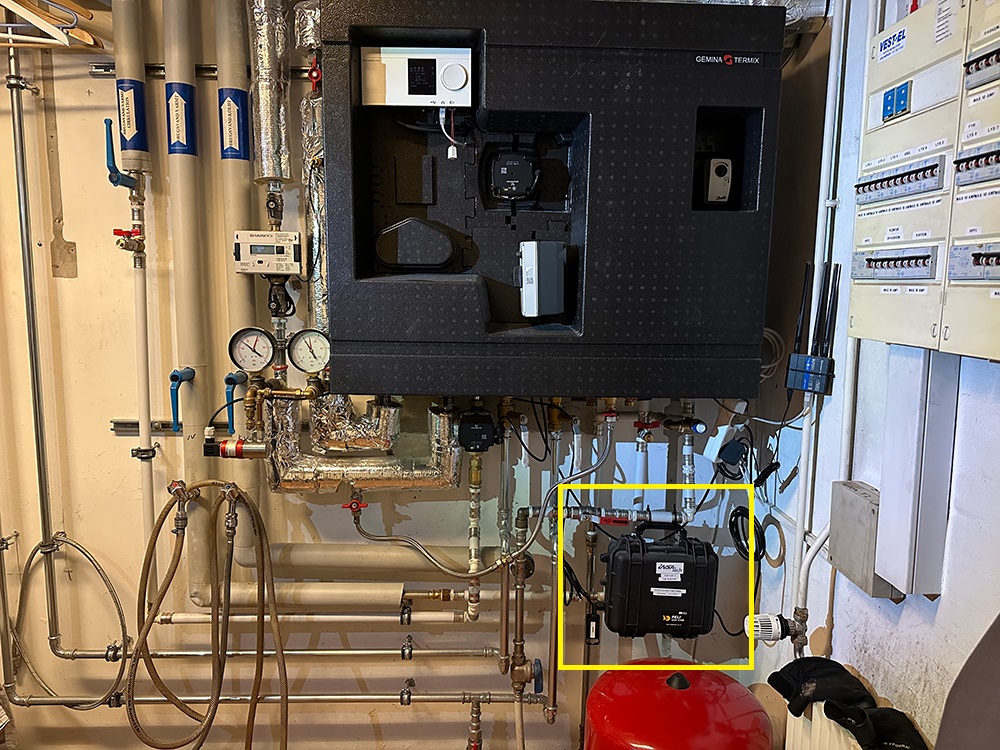
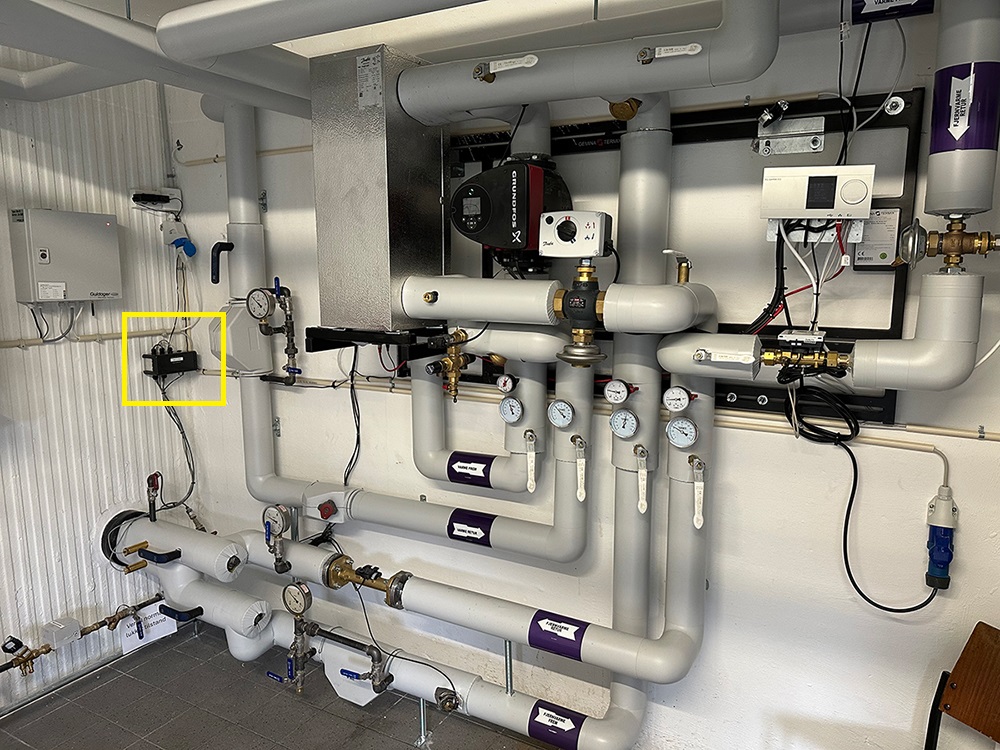
Real-time Measurement of Differential Pressure: Beacon Tower collects data from two different manufacturers of differential pressure gauges, which Albertslund Forsyning has installed at strategic locations in the network.
-
Independent Data Transmission via NB-IoT: Data from the differential pressure sensors is sent via the nationwide NB-IoT telecommunications network to Beacon Tower. This ensures a stable, wireless connection that works independently of the utility’s other IT infrastructure.
-
SCADA Integration: Beacon Tower forwards the collected pressure data to Albertslund Forsyning’s existing ABB SCADA system. This allows operational staff to regulate pressure in real-time based on actual measurements rather than assumptions and theoretical models.
-
SCADA Redundancy: Beacon Tower also functions as a redundant system. If the SCADA system is down, operations can access the same real-time data directly via Beacon Tower and control production manually.
-
Integration of Surplus Heat: In addition to collecting measurements from the distribution network, Beacon Tower is also integrated directly with Diehl’s Izar Plus platform. Diehl supplies meters for measuring surplus heat, and via Izar Plus, meter data from external surplus heat contributors is pulled into Beacon Tower.
Result and Value
Albertslund Forsyning has now controlled their network pressure based on these real-time measurements for over a year. The results are noticeable on several fronts:
-
Energy Savings: By reducing the pressure to match actual demand, the energy consumption for the pumps – including the main pump and booster pumps – has dropped significantly.
-
Improved Operational Reliability: In the event of outages, attacks, or SCADA system failures, operations can monitor pressure and temperature in the district heating network via the Beacon Tower web portal. This makes it possible to continue manual pump operation on an informed basis.
-
Longer Lifespan: Lower and more stable pressure reduces wear and tear on the pipe network and components, extending the life of the infrastructure.
-
Improved Operating Economy: The combination of energy savings and reduced maintenance has had a direct positive effect on the bottom line.
-
Green Transition: More efficient utilization of surplus heat and optimized operations contribute directly to a more CO2-friendly supply.
Pictures of different real-time differential pressure gauges installed numerous places: